
- Once Upon A Katamari is the first brand-new mainline entry in the beloved Katamari Damacy universe in over a decade (rather than a remake or remaster). Polygon+2GameSpot+2
- The core concept remains delightfully absurd: you play as the Prince, rolling a sticky “katamari” ball that picks up objects smaller than it — gradually growing from thumbtacks and vegetables to furniture, animals, buildings, and eventually entire landscapes. Nintendo Life+2GameSpot+2
- In this entry, you travel across time and eras — from prehistoric times through ancient civilizations to more modern periods — giving you wildly varied environments and objects to collect. GameSpot+2Steam Store+2
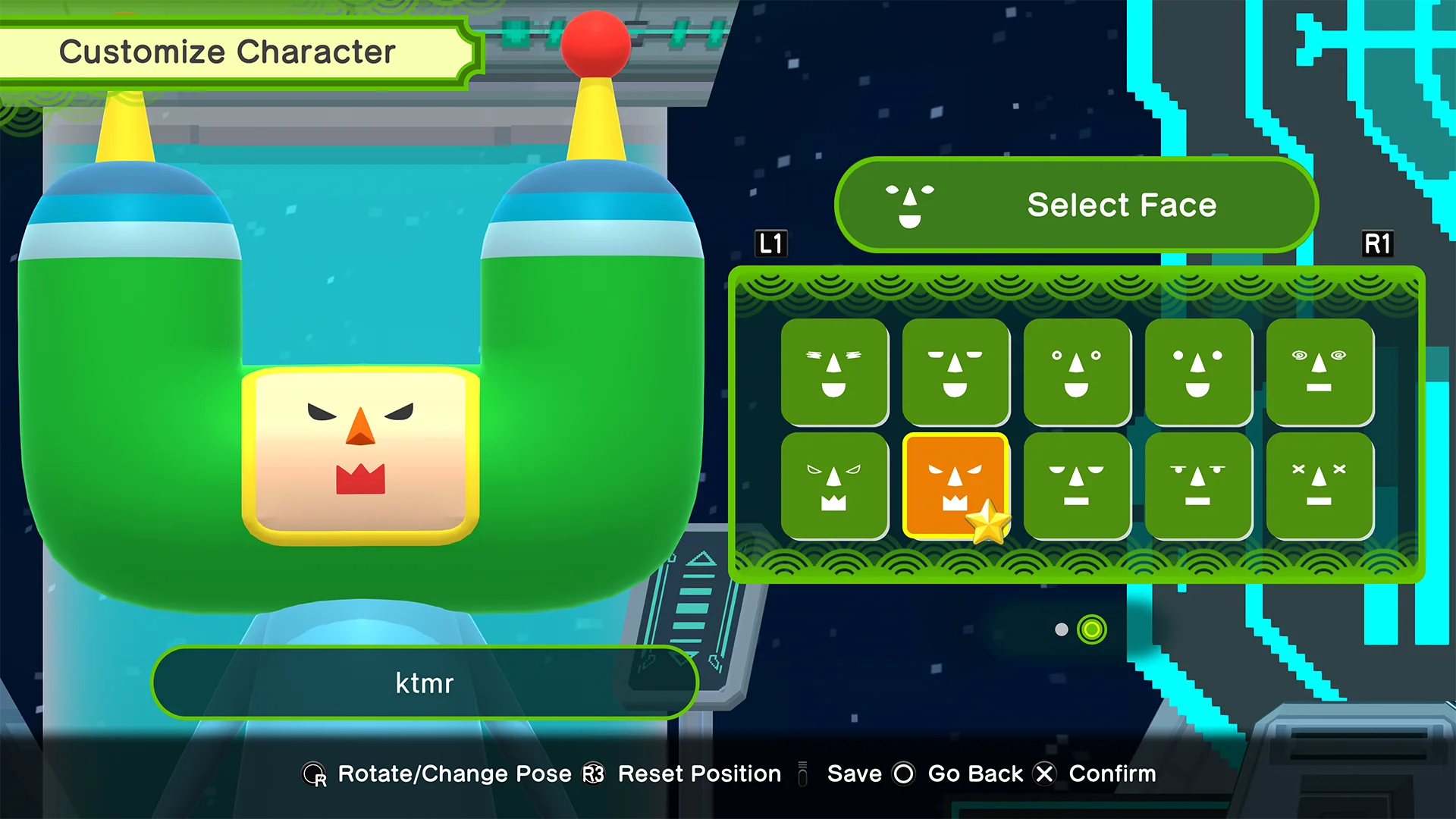
- It also adds some modern touches: visual polish, a more robust hub / overworld (the spaceship “S.S. Prince”), customization options for “cousins” (playable characters), and even a new competitive‑multiplayer mode “KatamariBall.” GameSpot+2Metacritic+2
On aggregate, critics have been generally positive: the game holds a Metacritic score around 79/100. Metacritic+1 User reception on platforms like Steam is also strong (“Very Positive”). Steam Store+1
✅ What Works — Why Once Upon A Katamari Succeeds
• The core rolling gameplay remains absurdly fun and joyful
If you’ve ever enjoyed Katamari’s ridiculous “roll‑everything” gameplay, this new entry preserves the pure delight of watching chaos unfold — from small clutter to sweeping piles of junk, it still feels hypnotic and strangely satisfying. GameSpot+1
• Fresh levels, varied eras & imaginative environments
Travelling through time means each level feels distinct — from prehistoric eras to ancient civilizations to more modern settings — which keeps each “roll session” fresh and full of surprises. The variety of objects (historical artifacts, dinosaurs, ancient buildings, modern trash) adds whimsy and keeps the fun unpredictable. GameSpot+2Bo3+2
• Polished presentation, charm and series‑nostalgic style
This installment adds better visuals, smoother controls (with both “classic” and simplified control schemes), and upgrades to the interface and hub areas — making it more accessible than older entries while keeping that trademark Katamari weirdness. GameSpot+2Nintendo World Report+2
The writing, humor, level design, and soundtrack remain whimsical and joyful — perfect for players who love surreal, lighthearted, “don’t take things too seriously” games. GameSpot+1
• Extra features: customisation, replay value, multiplayer fun
You can play as the Prince or any of many “cousins,” customizing their look — which adds fun personalization. Steam Store+1 For completionists: there are lots of collectibles, varied mission objectives, and level‑specific challenges, giving decent replay value. GameSpot+2Nintendo Life+2
Plus — new to the series — there’s a multiplayer/competitive mode (KatamariBall) for up to four players, giving a social twist to the mayhem if you want to roll with friends or challenge others. GameSpot+2Steam Store+2
⚠️ Where It Falls Short — The Weaknesses & What Feels Dated or Limited
• It doesn’t reinvent the wheel — many familiar quirks remain
As with any Katamari game, excessive chaos means the game can feel messy, sometimes a bit clumsy. The camera and control quirks — long‑time features of the series — remain here, which might hamper clarity or cause frustration in tight spaces. GameSpot+2Nintendo World Report+2
• New items/power‑ups don’t drastically change core gameplay
The game adds “Freebies” — small power‑ups like magnets (which attract nearby objects), rockets (speed boost), time‑stop, sonar, etc. GameSpot+1 While fun, they don’t fundamentally shift the gameplay loop: it remains “roll‑everything, grow bigger.” Some critics argue these extras feel like small add-ons — enjoyable but not transformative. GameSpot
• For newcomers: sometimes chaotic, hard to master, or overwhelming
For players unfamiliar with Katamari’s style, the absurdity and chaos — rolling through crowded streets or narrow alleys, hitting objects accidentally, unpredictable physics — can feel jarring. Some missions or levels demand patience and can be messy rather than fun. Nintendo Life+2Reddit+2
• Not a big evolution — some may expect more innovation
Critics note that Once Upon A Katamari doesn’t do much in the way of reinventing the concept. If you expected a radical overhaul, deeper mechanics, or a more modern “AAA‑style” upgrade, you might feel the game is too safe — it’s very much “classic Katamari, with polish.” MonsterCritic+2Nintendo World Report+2
🎯 Verdict — Who Should Play It (and Who Might Skip)
Great for you if you:
- Loved the original Katamari games and enjoy chaotic, joyful, absurd gameplay.
- Like lighthearted, casual games that don’t demand intense focus — games where the goal is just fun, not realism.
- Appreciate creative, whimsical art styles, humor, nostalgia, and a relaxed pace.
- Enjoy multiplayer mayhem, collectibles, customization, or revisiting levels with new challenges.
Maybe skip (or have lower expectations) if you:
- Prefer highly polished, modern AAA‑level mechanics, or deep, complex gameplay systems.
- Get easily frustrated by unrefined controls, chaotic physics, or lack of structure.
- Don’t enjoy the “messy but fun” chaos — meaning you prefer tight control, clarity, and precision over randomness and absurdity.
Final Take: Once Upon A Katamari is exactly what many longtime fans hoped for: a joyous, colourful, chaotic return of a cult classic. It doesn’t revolutionize the formula — but it doesn’t need to. It embraces its silliness, leans into its unique charm, and delivers a fun, often hilarious ride through time and debris.
If I had to score it: as a faithful revival with modern polish and lots of heart — I’d give it around 8/10. For a pure “roll‑everything‑and‑laugh” experience, it’s hard to beat.
🧠 What Type of Players Will Love It Most
- Players who enjoy whimsical, surreal games more than realism.
- Fans of nostalgic or retro‑style games looking for a fun, accessible title.
- People who like casual fun, local/online multiplayer or couch‑co‑op with friends or family.
- Gamers who appreciate art, humor, and creativity over serious gameplay.