
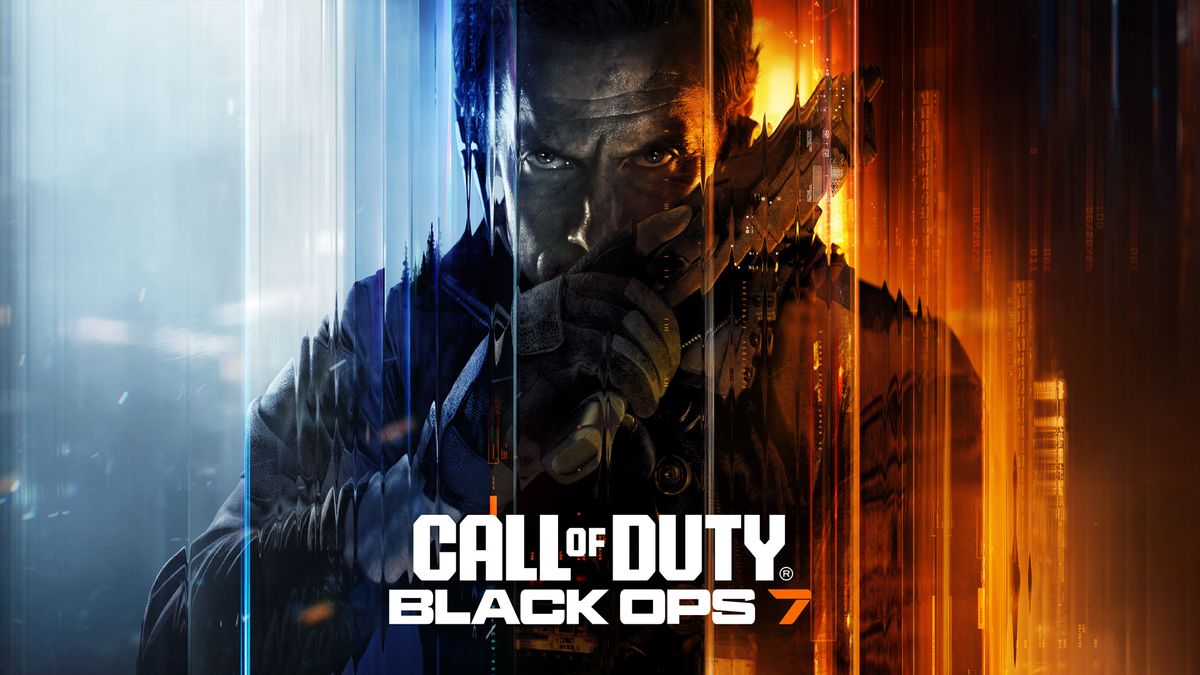
The developers behind Call of Duty (CoD) have announced a major shift in strategy: going forward, the franchise will no longer release back-to-back entries from its main sub-series — Modern Warfare and Black Ops. GamesBeat+2Beebom+2
According to the official statement, the goal of this change is to guarantee each new release feels distinct and innovative, rather than repetitive. Nintendo Life+2GamesRadar++2
This shift comes after a series of consecutive yearly releases — Modern Warfare II in 2022, Modern Warfare III in 2023, followed by Black Ops 6 (2024) and Black Ops 7 (2025) — a cycle many players felt resulted in diminishing returns and fatigue. The Verge+2Destructoid+2
🧭 What’s Changing: The New Release Strategy
• No More Consecutive MW/Black Ops Releases
From now on, Activision has pledged to avoid dropping two games from the same sub-series in a row. That means after Black Ops 7, CoD will skip launching another Black Ops or Modern Warfare title immediately in the next cycle. Destructoid+2Pure Xbox+2
• Annual Releases May Continue, But With Variety
The change doesn’t mean CoD is abandoning annual releases entirely. Instead, the plan seems to be rotating or varying sub-series and potentially experimenting with different styles, to keep each year’s release fresh and avoid “sameness.” GamesBeat+2Windows Central+2
• Focus on Meaningful Innovation Over Incremental Updates
The developers promised next entries will bring “innovation that is meaningful, not incremental.” That suggests deeper changes — perhaps in gameplay systems, modes, or overall design philosophy — instead of minor tweaks or repeated formulas. Beebom+1
• Extra Support for Black Ops 7 (And Apology for Fan Concerns)
Given recent criticisms, the studio is offering a free trial for Black Ops 7’s multiplayer and Zombies modes, plus “unprecedented seasonal support.” It’s a bid to regain trust and deliver better content under the new strategy. Business Standard+2Pure Xbox+2
✅ Why the Change — and What It Means for Players
• Fatigue Been Setting In
Consecutive yearly releases from the same sub-series had begun to feel repetitive. Even for dedicated fans, the pattern — Modern Warfare → Modern Warfare → Black Ops → Black Ops — started to erode excitement. By breaking that cycle, CoD may recapture some lost interest.
• More Time for Quality and Creativity
By not forcing the same studio/sub-series to produce multiple games back-to-back, developers get breathing room. That time can be used to refine mechanics, build more polished content, and experiment with new ideas — things that often get sacrificed under tight annual deadlines.
• Hope for Variety and Surprising Directions
With the barrier to consecutive MW or Black Ops titles removed, there’s now room to revive older sub-series, try alternate settings, or even rethink how CoD games are built — potentially giving players more variety and novel experiences rather than reskins or minor updates.
• Less Risk of Burnout for Players and Developers
Annual sequels from the same sub-series can burn out both dev teams and players. By pacing releases more thoughtfully, CoD may reduce fatigue, improve sustainability, and keep its community engaged for longer.
📉 What Prompted the Change: The Case of Black Ops 7
The decision follows a less-than-stellar launch for Black Ops 7. Reception from critics and some segments of the community was mixed, and the entry underperformed compared to earlier expectations. GamesBeat+2Pure Xbox+2
Activision and its studios acknowledged that recent entries haven’t always met what fans expect. In response, they admitted that the franchise “has not met your expectations fully,” and pledged to “deliver, and overdeliver” going forward under this revised release model. Beebom+2Destructoid+2
The free trial for Black Ops 7’s multiplayer and Zombies modes, plus the promise of enhanced seasonal content and support, seems to be both a goodwill gesture and part of a broader plan to rebuild trust. Business Standard+1
🔮 What This Change Might Mean for Call of Duty’s Future
- More thoughtful, diverse CoD games — Instead of alternating between the same two sub-series, future CoD titles might include remasters, spin-offs, experimental settings, or even unexpected revivals of old sub-series.
- Less burnout, higher quality releases — With more time per sub-series, developers might deliver more polished content, deeper campaigns, improved multiplayer experiences, and stronger post-launch support.
- A potential long-term upswing in player goodwill — If CoD delivers “meaningful innovation,” older fans may return and new players may feel less alienated by the constant sequel treadmill.
- Uncertainty about what exactly is next — While the promise is there, it remains to be seen how radically CoD will change and whether the innovation will truly deliver, or just mean reworked formulas.
🎯 Final Thoughts
The decision by Activision to end back-to-back releases of Modern Warfare and Black Ops games marks a major pivot for the Call of Duty franchise. By opting for variety, quality, and innovation over sheer frequency, the series may be entering a new — and potentially healthier — era.
For fans tired of seeing “another MW” or “another Black Ops” every year, this news comes as a relief. If developers deliver on their promise of unique, meaningful yearly entries, CoD could regain some of its freshness and appeal — and maybe even grow in unexpected ways.